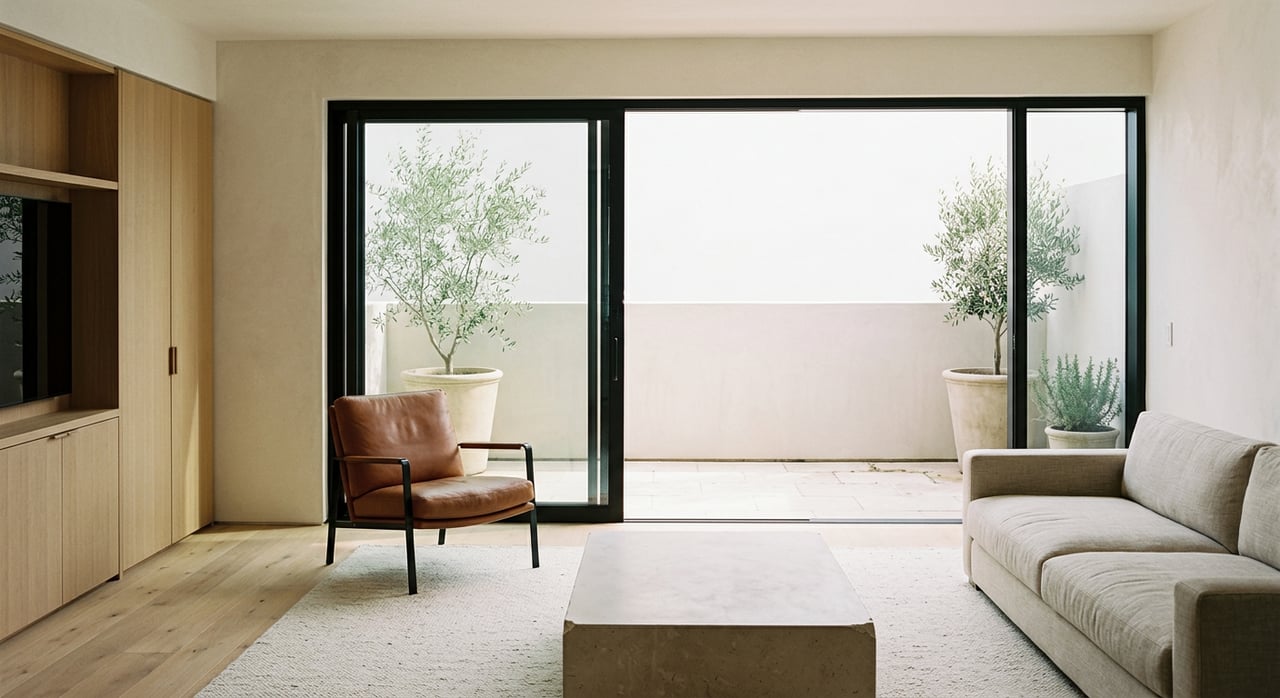
Choosing between a West Hollywood condo and a pied-à-terre comes down to how you live, travel, and work. You might want hotel-level service and privacy, or you may prefer low carrying costs and a walkable, creative base. Either way, the decision has real implications for HOA dues, lending, insurance, and new local rules on leasing.
In this guide, you will get a clear framework to compare building types, align amenities with your lifestyle, understand key legal and lending realities, and run a tight due-diligence process. You will also see common red flags to avoid before you write an offer. Let’s dive in.
Who is buying what in West Hollywood
West Hollywood is compact, premium, and varied. Recent market snapshots place many condo sales in the roughly 900,000 to 1.2 million dollar range, with prime towers achieving much higher price points and per-square-foot metrics. You can review a current city overview in this recent aggregator snapshot of the West Hollywood condo market.
- Entertainment and high-profile buyers. If you value privacy, views, and a staffed building, a full-service tower often makes sense. For example, Sierra Towers near Doheny offers concierge, valet, pool, and security. HOA dues in this class trend higher to support staffing and amenities. Explore a representative amenity set in the Sierra Towers building overview.
- Corporate executives and frequent travelers. If you are in and out of town, proximity to Sunset or Melrose, plus smooth airport access, matters. Typical drive times to LAX run about 25 to 45 minutes depending on traffic. You can sense routing and timing from the West Hollywood to LAX route guide.
- Creatives and local executives. If you prefer lower monthly costs and a quieter setting, a boutique building with limited amenities can be ideal. HOA dues often land in the low to mid hundreds. This West Knoll boutique example illustrates the smaller-scale approach.
Condo vs. pied-à-terre in WeHo: what changed
A pied-à-terre is a part-time residence you occupy intermittently. Lenders typically treat this as a second home unless you plan to rent it, which usually shifts it into an investment classification. That distinction affects down payments, reserves, and rates.
West Hollywood updated its municipal code to increase the minimum lease term for individually owned condos and single-family homes to one year, effective January 1, 2025 (Ordinance 24-05). If you expected to offset costs with short-term rentals or frequent month-by-month leasing, this is a key shift. Review the city’s summary of the one-year minimum lease rule.
The city also continues to enforce rules around short-term rentals, and in January 2025 adopted an urgency measure that temporarily relaxed the one-year rule only for approved wildfire evacuees. These emergency carve-outs are limited and time bound. Check the municipal code record for context on short-term rental enforcement and council actions.
What this means for you: if your use case requires hosting frequent 1 to 2 week guests, or running a rental when you travel, confirm that both city rules and building rules permit it. Many HOAs further restrict lease terms or guest policies even when the city allows something in principle.
Building types and amenity tradeoffs
Full-service towers
Full-service or hotel-style buildings often include 24/7 front desk coverage, valet parking, staffed security, on-site management, package handling, and resort-style amenities. They deliver privacy and lock-and-leave ease, which is why many travelers and high-profile owners prefer them. The tradeoff is higher HOA dues, often in the high hundreds to thousands per month for larger or higher-floor units. The Sierra Towers profile shows the kind of staffing and services that drive those carrying costs.
Best fit: you travel often, host clients or colleagues, need controlled access, and value having staff manage deliveries, vendors, and guest arrivals.
Boutique buildings
Boutique buildings in West Hollywood typically have fewer units, minimal staffing, and lighter amenity sets. You might see a modest gym or a courtyard pool, but not a valet or a dedicated concierge. HOA dues commonly run in the low to mid hundreds per month, which keeps ongoing costs in check. See the West Knoll boutique example for a feel of scale and location.
Best fit: you want lower monthly dues, you are local or have a trusted manager, and you prioritize your own interior space over hotel-style common areas.
Map amenities to your lifestyle
- Travel and guests. If you rely on seamless arrivals and privacy, concierge, guest suites, secure parking, and a staffed front desk are high-value features.
- Work and remote needs. Prioritize ceiling height, natural light, and sound control inside the unit. Ask management about Internet infrastructure and whether there is a business center or reservable room if you take meetings on site.
- Privacy and security. Limited units per floor, keyed elevator access, and monitored common areas are more common in full-service buildings and matter if you or your guests need discretion.
What it costs to carry
In West Hollywood you can find entry-level condos as well as trophy penthouses. Many sales cluster in the 900,000 to 1.2 million dollar range citywide, while prime towers trade at much higher prices with per-square-foot premiums. Monthly HOA is the major swing factor in carrying costs. Full-service buildings justify higher dues with staffing and amenities. Boutique buildings typically keep dues in the low to mid hundreds, but you handle more yourself.
A simple way to compare: set a monthly budget target, then back into which building types fit once you account for mortgage, HOA dues, property tax, insurance, and utilities. Your use case will tell you whether staff and services warrant the higher monthly line item.
Lending and insurance realities you must check
Project warrantability
Before you write an offer, ask your lender to check the condo project’s eligibility through Fannie Mae’s Condo Project Manager. A project can be ineligible for standard agency financing due to reserve issues, litigation, or condo-hotel features. In that case, expect higher down payments and a smaller lender pool. Share the building name early and confirm status in Fannie Mae’s Condo Project Manager framework.
Occupancy classification and programs
If you will use the unit as a pied-à-terre, it is often underwritten as a second home. If you intend to rent it, even occasionally, lenders may classify it as an investment property with stricter terms. Ask your lender to price both scenarios and confirm reserves, LTV limits, and rate differences. This overview of second home vs. investment underwriting explains why the label matters.
Insurance basics for condos
The HOA’s master policy usually covers common areas and sometimes structural components. You will carry an HO-6 policy for interiors, personal property, liability, and loss-assessment coverage. Earthquake is typically separate. In California, you should review earthquake options and the HOA’s deductible exposure so you understand potential assessments after a major event. The state’s consumer guidance on earthquake coverage and assessment risk is a helpful primer.
Your due-diligence timeline and documents
Pre-offer filters
Create a shortlist of one to three properties that fit your daily use. Filter by building type, guest and parking needs, floor and exposure, storage, and whether you want staff on site. Then ask your lender to pre-check the building’s condo project eligibility and quote second-home terms so you are not surprised mid-escrow.
After acceptance: order HOA disclosures immediately
Under California’s Davis-Stirling framework, the seller provides a resale packet that includes governing documents, the budget, reserve study, insurance summary, minutes, and an estoppel-like statement. Associations generally have up to 10 days to deliver after a written request, so start at once. See what to request in a resale certificate guide.
Request up front:
- Resale certificate or estoppel with assessments due
- Current budget and reserve study
- Last 12 months of board minutes
- Master insurance certificate and deductible schedule
- CC&Rs, bylaws, rules and regulations
- Notices of any pending special assessments or litigation
What to review with your advisors
- HOA financial health. Compare reserve balance against recommendations, scan minutes for upcoming capital projects, and note any recent dues hikes or special assessments.
- Litigation. Any active construction-defect or insurance litigation can limit financing choices and delay closings.
- Insurance exposures. Confirm scope of the master policy and earthquake coverage, and understand loss-assessment risk if the HOA carries a high deductible.
- Use and leasing rules. Cross-check HOA rules against West Hollywood’s one-year minimum lease term. Start with the city’s lease term ordinance summary and confirm any building-level caps or guest policies.
- Building condition. Have a general home inspector familiar with multi-unit buildings. For older structures, consider a focused seismic opinion, especially if soft-story or elevator modernization is in play.
Negotiation levers that protect you
- If minutes or budgets show a looming special assessment, request a seller credit or a price adjustment tied to clear documentation.
- Ask the seller to cover HOA resale packet fees and confirm prorations of dues through closing.
- Keep a financing and HOA document review contingency long enough to validate project eligibility and rule alignment with your intended use.
Post-close basics for a pied-à-terre
- Set up vendor access with the front desk or management and confirm guest procedures.
- Align cleaners and deliveries with HOA rules to avoid fines.
- If you are an international owner, connect with a U.S. CPA and plan banking and insurance logistics early.
Red flags to pause on
- The project is non-warrantable or ineligible for standard agency financing, which compresses lender options and can force higher cash or portfolio loans.
- The reserve study shows low funding or minutes point to near-term special assessments for elevators, roofing, or seismic work.
- HOA rules or the city’s one-year lease minimum conflict with your intended use as a pied-à-terre with frequent short stays.
- The master policy carries a high deductible or leaves earthquake as a gap, which could lead to large loss assessments.
- Nightlife or event noise near the Sunset Strip materially affects privacy or remote work needs. Visit in the evening to test it.
Ready to compare options with precision?
If you want a quiet, strategic process that fits your travel, privacy, and financial goals, we can help you shortlist the right buildings, pressure-test lending paths, and negotiate from strength. For a private conversation about your West Hollywood condo or pied-à-terre plan, connect with James Harris.
FAQs
What is the difference between a West Hollywood condo and a pied-à-terre?
- A condo is the property type. A pied-à-terre is how you use it, typically as a part-time second home. That use can affect financing, insurance, and HOA rule compliance.
How does West Hollywood’s one-year lease minimum affect me?
- Effective January 1, 2025, most individually owned condos and homes require a minimum one-year lease. Short-term rental strategies are restricted, so verify city and HOA rules before you buy.
Are full-service towers worth the higher HOA dues?
- If you value lock-and-leave convenience, staffed security, and on-site services, the higher dues can be justified. If you want low carrying costs, a boutique building may be better.
How do lenders treat a pied-à-terre purchase?
- Many lenders classify a pied-à-terre as a second home. If you plan to rent it, they may treat it as an investment, which typically requires more reserves and a higher down payment.
What HOA documents should I review before removing contingencies?
- Focus on the resale certificate, budget, reserve study, minutes, insurance summary, CC&Rs, and any assessment or litigation notices. These drive both financing eligibility and future costs.
