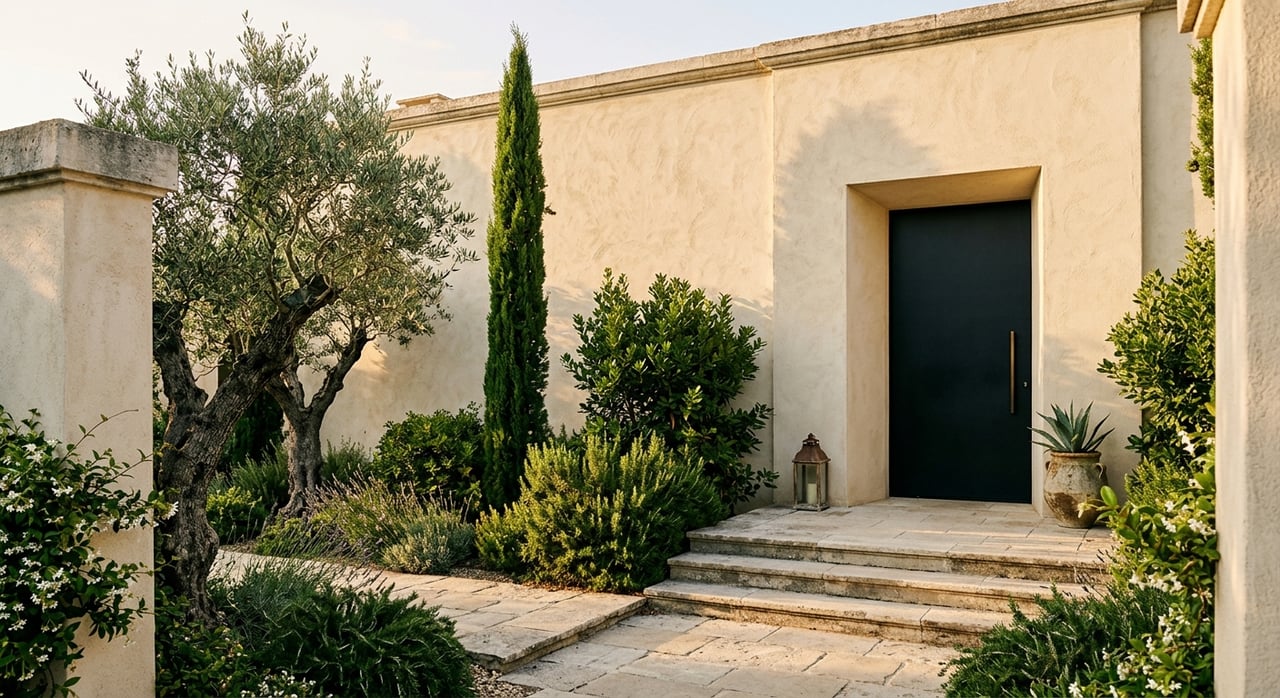
You can be minutes from one of Los Angeles’ most active nightlife corridors and still feel a meaningful sense of calm at home. That balance is exactly what many privacy-minded buyers want near the Sunset Strip, especially if you value access, discretion, and a property that feels removed from the street. If you are considering a private retreat off the Strip, the key is knowing what actually creates privacy here, and what only appears to. Let’s dive in.
Why privacy works differently here
The Sunset Strip is not a quiet residential lane. West Hollywood describes it as a major entertainment destination with restaurants, hotels, retail, and nightclubs, and says more than 5 million people visit West Hollywood each year. That level of activity shapes how a nearby home feels day to day.
Privacy in this setting is about more than distance from neighbors. It is also about visibility, light spill, late-night curb activity, and how directly your home relates to Sunset Boulevard itself. West Hollywood’s materials also note the corridor’s strong identity around outdoor advertising, including billboards and digital displays, which can affect glare and sightlines.
The residential context changes quickly block by block. Planning materials describe single-family homes as typical in the hills north of the Boulevard in the City of Los Angeles, while south of the Boulevard there is a mix of single-family and multi-family housing in West Hollywood. That means the same “off the Strip” label can describe very different living experiences.
What makes a home feel secluded
A true retreat usually begins with positioning. Homes set back from the street, above street grade, or accessed from a side street are generally more likely to feel private than properties with direct Sunset frontage. Near an active corridor, even a small shift in orientation can change the experience significantly.
Topography matters as much as architecture. A home tucked into a hillside or placed above the roadway may reduce direct sightlines and street exposure. At the same time, the approach, driveway shape, and retaining walls can affect both ease of use and the sense of arrival.
Design also plays a major role. The most comfortable retreats near the Strip often rely on a combination of controlled access, thoughtful window placement, layered landscaping, and interior layouts that preserve light while limiting exposure. In this area, privacy is usually engineered, not accidental.
Setback and grade matter
If your priority is calm, pay close attention to where the structure sits on the lot. A house that is lifted above the street or shielded by elevation can feel more detached from traffic and passersby. Even when the location is close to the action, the right grade relationship can create a surprising sense of separation.
A deep setback can help in a different way. More distance between the front facade and the public realm may reduce visibility into main living spaces and create room for gates, landscaping, or a more discreet entry sequence. For privacy-sensitive buyers, that front-to-street relationship is one of the first details worth studying.
Side-street access changes the experience
Access from a side street can make a property feel less exposed. It often creates a more residential arrival and can reduce the feeling that your home is tied directly to Sunset’s pace and visibility. For many buyers, this is one of the clearest practical advantages in the area.
It can also improve daily functionality. Guest drop-off, departures, and driveway use may feel easier when they happen away from the boulevard itself. In a market where discretion is often as important as design, access patterns deserve close attention.
Hillside homes need extra scrutiny
Hillside properties can offer some of the strongest privacy advantages near the Sunset Strip, but they also require more careful due diligence. Los Angeles planning materials state that hillside development may be limited by geology and steepness, and projects can require slope analysis maps and other standards tied to natural topography. In simple terms, the site itself may shape what you can do now and later.
That matters if you are evaluating not just current privacy, but future flexibility. A hillside home may feel wonderfully hidden, yet the same terrain can affect driveway geometry, outdoor usability, retaining-wall placement, and expansion potential. For a buyer who expects both comfort and long-term optionality, those details are essential.
In practice, you should look closely at how the property functions day to day. A dramatic setting is not enough on its own. You want to know whether the arrival is smooth, whether parking is easy to manage, and whether the lot’s privacy comes with compromises you would notice over time.
Ask how the lot lives
On a hillside parcel, privacy and livability should be evaluated together. A steep drive, awkward turn radius, or limited guest parking may affect your experience just as much as the view or architecture. A home can feel secluded but still be operationally difficult.
You should also confirm whether slope-related constraints could affect future exterior changes. If you are thinking about terraces, walls, landscaping adjustments, or additions, the site’s planning context matters. Around the Strip, a retreat should work as a finished product, not just as an idea.
Managing noise, light, and late-night activity
The Sunset Strip’s energy does not end when the sun goes down. West Hollywood’s rules prohibit amplified sound that is plainly audible from 25 feet or more between 10:00 p.m. and 8:00 a.m., and the city’s code-enforcement division covers issues such as noise, property maintenance, and short-term rentals. That public framework is helpful, but it should not replace property-level evaluation.
West Hollywood also operates The Drop, a rideshare curb-zone program in high-traffic nightlife and entertainment areas, including Sunset Boulevard, from 6:00 p.m. to 3:00 a.m. For buyers, that is a useful signal. Even when a home is not directly on the Strip, nearby movement related to arrivals, departures, and curb activity can shape how evenings feel.
This is why the best retreat properties near Sunset are often those that manage exposure in layers. You are not simply looking for a beautiful house. You are looking for a home that stays composed when the corridor around it is active.
Focus on the building envelope
Noise control is often a building-envelope issue. The U.S. Department of Energy recommends weatherstripping to seal air leaks around doors and operable windows, the EPA notes that outdoor air can enter through open doors and windows and small cracks, and HUD says storm windows can help reduce noise. Together, those points support a close look at glazing quality, sealed openings, and how well the home performs with windows closed.
This is especially relevant near Sunset. A property may photograph beautifully with walls of glass, but the more important question is how the interior feels at night, on weekends, or during heavier activity periods. Comfort, quiet, and privacy should be tested in real conditions.
Glare and sightlines matter too
Light exposure can be just as important as sound. With billboards and digital displays helping define the corridor’s character, glare and visual exposure may affect certain homes more than buyers expect. DOE guidance also notes that window attachments can improve privacy and reduce glare.
Window coverings, screened terraces, and layered landscaping can all help soften sightlines. The goal is not to shut the home down. It is to maintain openness where you want it, while reducing direct exposure from the street and surrounding activity.
How to evaluate a retreat before you buy
Near the Strip, due diligence should extend beyond standard showings. West Hollywood’s materials make clear that tradeoffs vary block by block, and that reality calls for a more deliberate buying process. What feels peaceful at 11:00 a.m. may feel very different on a Saturday night.
The most useful evaluations are often simple and practical. You want to understand not only the property’s design, but also how it performs in real time. That is where privacy becomes measurable.
A practical review checklist
When evaluating a private retreat off the Sunset Strip, consider these points:
- Visit at night, on weekends, and during busier entertainment periods.
- Check sightlines into the property from the street and neighboring vantage points.
- Listen for sound at bedroom level, not just in public living areas.
- Test whether the interiors remain comfortable with windows closed.
- Review the quality of window and door seals.
- Assess glare, especially in rooms facing brighter corridor exposure.
- Study driveway maneuverability and guest parking.
- Confirm whether the home sits in West Hollywood or the City of Los Angeles.
- For hillside lots, review slope-related constraints, access, and limits on future changes.
Why block-by-block judgment matters
Around the Sunset Strip, broad assumptions are rarely enough. One property may feel hidden because of elevation and side-street access, while another just a short distance away may feel far more exposed due to frontage, lighting, or curb activity. The official planning and city materials support that reality clearly.
That is why buying well in this pocket requires a local, property-specific lens. If your goal is a true retreat, the right choice is not simply the home with the strongest finishes or the best photos. It is the one where design, setting, access, and operations all work together to protect your privacy.
For buyers seeking discretion near one of Los Angeles’ most visible corridors, careful selection matters more than ever. If you are weighing a private purchase off the Sunset Strip, James Harris offers strategic, discreet guidance tailored to privacy-sensitive acquisitions.
FAQs
What makes a home near the Sunset Strip feel more private?
- Homes set back from the street, above grade, or accessed from a side street often feel more secluded than properties with direct frontage on Sunset Boulevard.
How does Sunset Strip nightlife affect nearby homes?
- Nearby homes may experience noise, light, rideshare activity, and late-night curb movement, especially during evening and weekend hours.
What should you check in a hillside home off the Sunset Strip?
- You should review slope, driveway usability, retaining-wall placement, access, and any development limits that could affect future exterior changes.
Why are windows and doors important in a Sunset-adjacent retreat?
- Sealed openings, glazing quality, weatherstripping, and storm-window options can help reduce noise, improve privacy, and support comfort with windows closed.
Should you visit a Sunset Strip property more than once before buying?
- Yes. Visiting at night, on weekends, and during busier periods can give you a clearer picture of sound, sightlines, access, and overall privacy.
