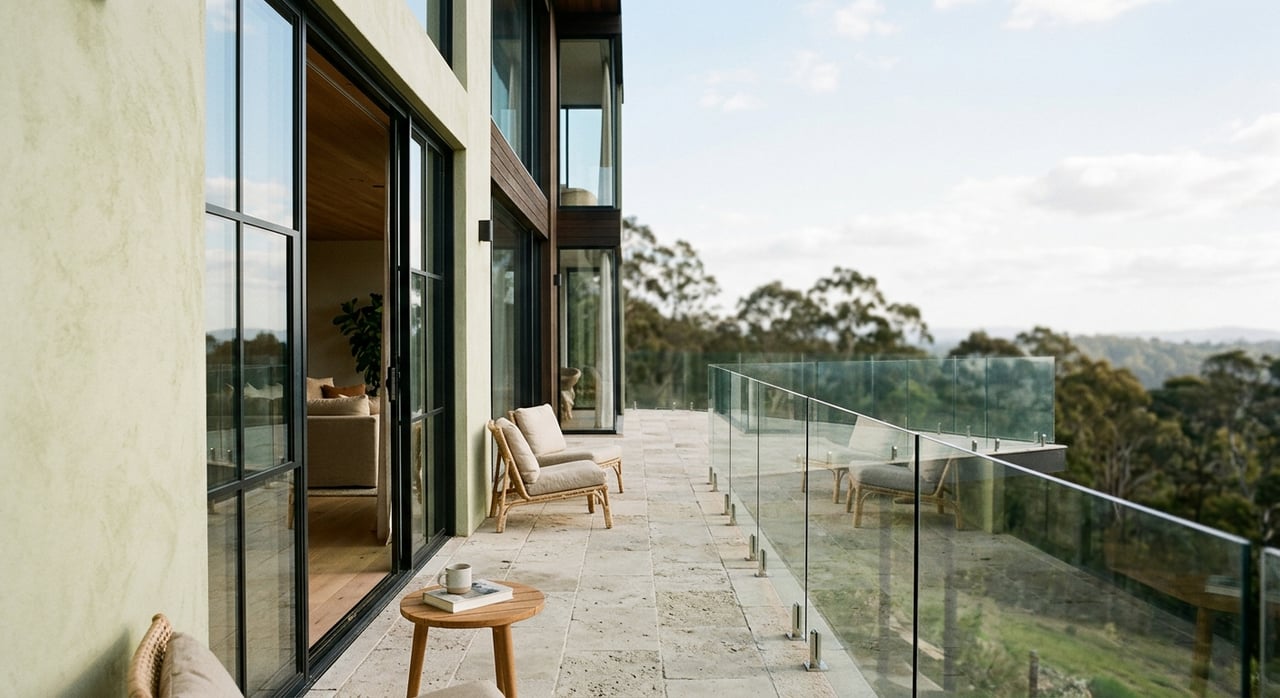
A Hollywood Hills view can be unforgettable, but the right purchase is about more than a dramatic skyline shot. When you are buying in the Hills, you are also buying slope, access, outdoor usability, and long-term certainty around what that view really means. If you want a sharper framework for evaluating a view home in this market, this guide will help you look past the first impression and focus on what holds value over time. Let’s dive in.
Why views matter in Hollywood Hills
In the Hollywood Hills, views are part of the appeal and often part of the pricing logic. The area sits within the Hollywood Community Plan, which includes hillside communities shaped by sloping terrain and panoramic outlooks. Los Angeles also uses hillside planning tools that account for issues like street access and fire protection, which means the setting itself is a major part of the ownership equation.
View value is real, but it is not uniform. Research cited in the planning context shows that scenic and unobstructed views can add value, though the premium changes based on the market and on how open or protected the view is. In practical terms, the most durable view is usually one that is broad, easy to read, and less likely to be interrupted later.
For buyers at the upper end of the market, that distinction matters. A view that photographs well from one angle may not carry the same day-to-day value as a home where the main living spaces, primary bedroom, and outdoor areas all share the same outlook.
Evaluate the view from daily living spaces
A strong view home should work from the rooms you actually use. In the Hollywood Hills, the most compelling properties usually connect the view to the living room, kitchen, primary suite, and key outdoor entertaining areas. That creates a more complete experience and typically a more persuasive long-term asset.
If the best view exists only from a single balcony or one corner of the yard, you may be paying for a feature that feels smaller in daily life than it did on first showing. The better test is simple: ask yourself where you would spend most of your time, and whether those spaces deliver the same visual payoff.
This is especially important in homes designed around indoor-outdoor flow. Many contemporary properties in the Hills emphasize glass, terraces, and entertaining areas, so the value of the view is often tied directly to how seamlessly those spaces work together.
Understand how lot type shapes the experience
Not all view lots perform the same way. In hillside neighborhoods, the shape of the parcel and the slope of the site can change how much of the view is actually usable from the house and how much of the land is consumed by terraces, hardscape, or hillside management.
A promontory lot may offer a more commanding outlook, while a canyon lot may feel more enclosed or private. A street-to-street lot can create different access and design opportunities, but it may also come with trade-offs in layout or circulation. The key is not just the presence of a view, but how the lot allows the house to engage with it.
When you tour a property, look beyond the horizon line. Consider where the structure sits on the lot, how the outdoor spaces are positioned, and whether the architecture makes the most of the topography.
Match architecture to the hillside site
Hollywood Hills includes a wide architectural mix, from older canyon homes to notable mid-century and contemporary residences. Some areas are known for cohesive 1920s Period Revival homes, while the broader Hills also include work associated with major Southern California architects and modern icons.
For a buyer, style should never be separated from site fit. Period-style homes may offer warmth, character, and a more enclosed feel, while mid-century and contemporary homes often prioritize glass, terraces, and direct engagement with the view. In many newer contemporary homes, the architecture is deliberately organized around sightlines, decks, pools, and entertaining spaces.
That does not make one style better than another. It simply means you should assess whether the design uses the slope well and whether the home’s layout supports the lifestyle you want.
Check access before you fall in love
In the Hollywood Hills, access is not a minor detail. It is part of the value proposition. A property may be close to the city on a map but feel far more remote in real life because of narrow roads, sharp curves, steep driveways, or limited turnaround space.
This matters for daily convenience and for emergency planning. City hillside policy treats street access as a core issue, and the Los Angeles Fire Department notes that hillside fire zones can involve narrow roads, hairpin turns, and conditions that may affect access and evacuation.
Before moving forward, ask practical questions early:
- How many usable routes lead to the property?
- Is the driveway steep, narrow, or difficult to navigate?
- Can delivery vehicles, ride-shares, and service providers reach the home easily?
- Is there enough on-site parking for both residents and guests?
- Would entertaining at the home feel simple or logistically tight?
In a market where many homes are purchased for lifestyle as much as investment, easy access can make a major difference in how often you truly enjoy the property.
Consider parking as part of value
Parking often gets overlooked during the emotional part of a home search. In the Hollywood Hills, that can be a costly mistake. A spectacular view loses some practical appeal if guests struggle to arrive, if service access is awkward, or if your own daily routine feels constrained by the site.
You will also want to understand any restrictions tied to fire conditions. According to LAFD, parking is prohibited in posted areas within Very High Fire Hazard Severity Zones when a Red Flag Day is declared. For certain homes, that can affect overflow parking and day-to-day flexibility.
For many buyers, especially those who host often or value seamless household operations, parking should be evaluated with the same seriousness as the floor plan.
Look closely at outdoor usability
Outdoor entertaining is one of the clearest ways a Hollywood Hills view becomes everyday value. The market regularly rewards homes with view decks, terraces, pools, fire pits, and strong indoor-outdoor flow. But there is a difference between dramatic outdoor space and truly usable outdoor space.
Some homes are designed to maximize outlooks, while others sacrifice functionality to slope, privacy needs, or circulation. A steep site may create an impressive visual effect while limiting how comfortably you can gather, dine, or relax outside.
As you compare properties, think in practical terms:
- Is the outdoor space large enough to use comfortably?
- Does it connect naturally to the kitchen or living areas?
- Is the view enjoyed while seated, dining, or entertaining?
- Does the outdoor layout feel effortless or fragmented?
The best outdoor spaces in the Hills do not just frame the city. They support how you want to live.
Ask how protected the view really is
One of the most important questions in a Hollywood Hills purchase is whether the view is likely to hold. Long-term desirability often depends on how stable the outlook is and whether it is protected by topography, planning controls, or simply the current absence of neighboring construction.
If a property is near the Mulholland Scenic Parkway, a specific plan and design review process applies to preserve scenic features and views from that corridor. That can be an important part of the analysis. More broadly, the city’s hillside planning framework reflects how seriously Los Angeles treats views in these areas.
Still, buyers should not assume every open sightline is equally secure. Ask whether the current view depends on elevation, parcel orientation, or regulations, and whether nearby sites could change in a way that affects what you see in the future.
Factor in wildfire exposure early
Wildfire exposure is one of the clearest trade-offs in hillside ownership. LAFD states that hillside communities face ongoing wildfire risk, and the Very High Fire Hazard Severity Zone includes Hollywood and much of the city’s hilly terrain. For many one- to four-unit homes in that zone, AB38 disclosure rules may also apply.
This does not mean a view home is the wrong choice. It means the analysis should be complete. Before you treat the view as the deciding factor, confirm the property’s fire-zone status, understand any brush-clearance obligations, and assess insurance implications.
A polished purchase decision in the Hollywood Hills weighs beauty and logistics together. The strongest acquisitions tend to balance the emotional pull of the view with a clear-eyed understanding of site conditions and operating realities.
A smart buying framework
If you are comparing multiple Hollywood Hills properties, keep your focus on three core factors. The most resilient purchase is often the one that combines a view that should still matter in ten years, access that will not become frustrating, and outdoor space that actually gets used.
If one of those elements is weaker, the home may still be worth pursuing. The point is to understand the trade-off intentionally, not discover it after closing.
For privacy-minded, design-conscious buyers, that kind of clarity is where real value is created. In a market where inventory can be highly nuanced and the best opportunities are not always obvious at first glance, informed selection matters.
When you are ready to evaluate a Hollywood Hills view home with a more strategic lens, James Harris can help you assess the property beyond the headline view and identify the trade-offs that matter most.
FAQs
What should you check first when buying a view home in the Hollywood Hills?
- Start with the basics: confirm how the view is experienced from the main living areas, review access and parking, and ask whether the outlook is likely to remain intact over time.
How important is driveway and road access for a Hollywood Hills home?
- It is extremely important because hillside properties can involve narrow roads, sharp curves, steep driveways, and limited turnaround space that affect daily convenience and emergency access.
What makes a Hollywood Hills view more valuable over time?
- A broad, legible view that is enjoyed from key interior rooms and outdoor spaces, and that is less likely to be blocked later, is generally the most durable.
Are outdoor spaces always usable in Hollywood Hills view homes?
- No. Some homes offer dramatic outlooks but limited functional outdoor area because of slope, layout, circulation, or privacy constraints.
Why should buyers ask about wildfire risk in the Hollywood Hills?
- Many hillside properties are in areas identified by LAFD as having ongoing wildfire exposure, so buyers should confirm fire-zone status, brush-clearance obligations, and insurance considerations early in the process.
Does architecture affect how a Hollywood Hills view home lives?
- Yes. Different architectural styles engage the slope and the view in different ways, so the right fit depends on whether the design supports your priorities for light, privacy, flow, and outdoor living.
